


Ever wondered what’s in a package at the grocery store? You’re not alone. Today, people in the United States are checking labels more. They want to make sure their choices fit their health goals and values.
Modern buyers want clear communication from brands. When companies are open about their supply chains, they do more than share facts. They build trust, turning casual shoppers into loyal fans.
Choosing Ingredient Transparency in Food Manufacturing is key for businesses today. It’s not just a nice option; it’s essential for success. By being honest, your brand can stand out and build strong connections with your community.
Key Takeaways
- Consumers now prioritize health and ethics when selecting products.
- Openness about supply chains creates lasting brand loyalty.
- Labels serve as the primary tool for building shopper trust.
- Honesty helps companies thrive in a competitive market.
- Clear communication is essential for modern business success.
Why is Ingredient Transparency in Food Manufacturing Essential Today?
The modern grocery aisle has changed. Today, shoppers look for more than just taste. Ingredient Transparency in Food Manufacturing is now a must for companies to keep your trust.
The Shift Toward Informed Consumption
Shoppers no longer trust every claim on a package. Now, they want to know what’s in their food and why. Studies show that 92% of consumers check ingredient lists before buying.
Your choices can drive change. By picking brands that are open about their ingredients, you push the whole industry to do better. You’re choosing a healthier, more honest food system with every purchase.
Meeting Modern Regulatory Standards
Manufacturers must follow strict government rules. They need to balance these rules with clear labels. It’s a tough task to make sure what they say is true and easy to understand.
The public is watching closely, expecting honesty. Brands that don’t deliver risk losing everything fast. The best companies see these rules as a starting point, not a limit, for serving you better.
How Does RDM International Define Authentic Food Production?
Authentic food production is more than a label. It’s a promise of integrity that RDM International keeps every day. We want you to know exactly how your food is made, from start to finish.
We focus on the real reasons behind the search for genuine, high-quality ingredients. This connects the complex world of manufacturing to your kitchen.
Commitment to Quality and Integrity
Today, 58% of global consumers look more at ingredient lists than before. This shows a growing need for transparency in products. At RDM International, we see this as a chance to show our commitment to your health.
We make sure every item we produce meets high standards. We choose partners who share our values. This is the heart of our authentic food production approach.
The Philosophy Behind Our Sourcing
Our sourcing philosophy meets your need for functional nutrition and simple ingredients. We avoid unnecessary fillers and focus on ingredients that add real value to your diet. This thoughtful approach makes your food both wholesome and delicious.
The table below shows how our standards differ from conventional practices:
| Feature | Conventional Production | RDM International Standard |
|---|---|---|
| Ingredient Sourcing | Cost-driven selection | Quality and integrity |
| Label Clarity | Complex, hidden terms | Simple, honest disclosure |
| Production Goal | Maximum shelf life | Nutritional value |
| Consumer Trust | Marketing-focused | Authentic food production |
By focusing on these values, we help you make better choices when you shop. We’re committed to providing products that support your lifestyle and maintain transparency.
What Role Does Traceability Play in Your Supply Chain?
At RDM International, we think every ingredient has a story. We focus on traceable food manufacturing to give you clear insight into what you eat. We track every step, linking the source to your table.
Mapping the Journey from Farm to Fork
Knowing where your food comes from is key for safety. We follow each ingredient from the farm to our facility. This ensures rigorous quality control at every step.
When you know your food’s origin, you trust its quality. Our team checks every detail. This dedication makes our supply chain stand out in a global market.
Technology as a Tool for Accountability
Modern tech is crucial for us. We use advanced systems to watch over our ingredients in real time. This traceable food manufacturing way ensures you can trust what you buy.
With data tools, we spot and fix problems fast. Transparency is not just a goal; it’s our daily work. We’re proud to use tech to keep our promises to you.
How Can Clear Food Labeling Influence Your Purchasing Decisions?
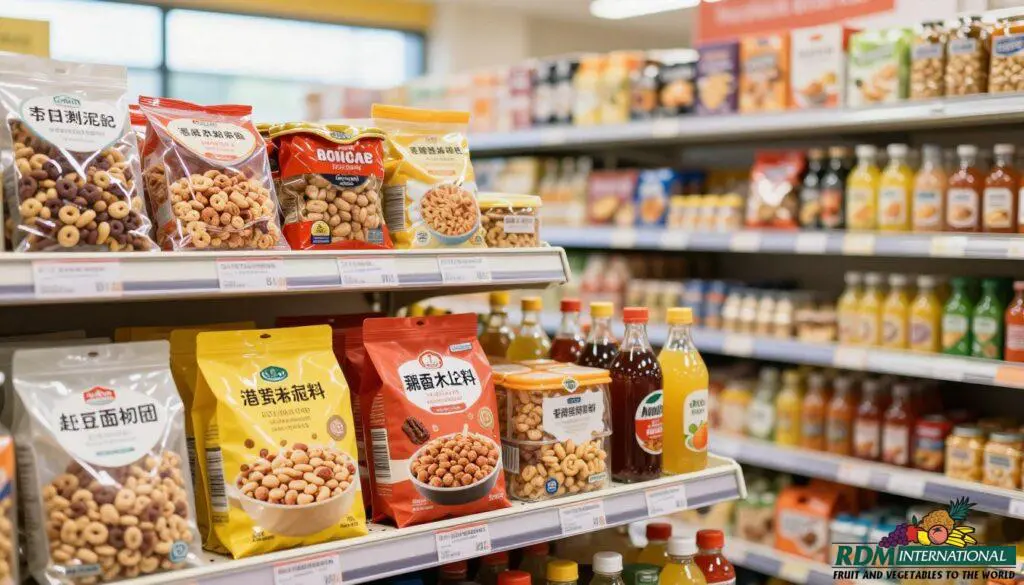
Ever felt lost in the grocery aisle with all the tiny text? It’s easy to get confused by long lists of hard-to-pronounce chemicals. Clear food labeling is more than a rule; it helps you choose better for your family.
Decoding Complex Labels
Many products hide their true ingredients in scientific terms. When you see words you don’t know, it makes you question the product’s worth. Choosing brands that are open about what’s in their products lets you know exactly what you’re eating.
Clear labels make shopping easier. When companies use simple language, they respect your smarts and health. This way, you can spot quality products without needing a food science degree.
The Impact of Simplified Ingredient Lists
The food industry is moving toward simplicity, and it’s smart. A study found 64% of people care a lot about ingredients in bread, preferring short, easy lists. Simplicity often means quality, showing the maker has nothing to hide.
Seeing a few familiar items on a list makes you trust the food more. This trust is key because it shows you believe in the brand. When labels are simple, you can focus on your health every day.
What Are the Benefits of Clean Label Ingredient Sourcing?
The movement toward clean label ingredient sourcing is changing how we see our food. It replaces complex chemicals with natural options. This makes products more in line with what we want to eat.
This change makes it easier to see where our food comes from. It connects the farm directly to our tables.
Prioritizing Natural and Whole Ingredients
Choosing products with whole ingredients is good for your health. These foods have fewer processed parts. This keeps the nutritional integrity of the food intact.
These products also taste better because they use real ingredients. Brands now use herbs, spices, and fruit extracts. This means you get great taste without sacrificing quality.
Reducing Artificial Additives and Preservatives
Good clean label ingredient sourcing means avoiding artificial preservatives. This makes products feel fresher and more natural. You’ll notice they often look and feel more authentic.
The table below shows the difference between old and new ways of making food:
| Feature | Traditional Approach | Clean Label Approach |
|---|---|---|
| Ingredient List | Long and complex | Short and recognizable |
| Preservatives | Artificial chemicals | Natural alternatives |
| Flavoring | Synthetic enhancers | Whole food extracts |
| Consumer Trust | Often skeptical | High confidence |
At the end of the day, clean label ingredient sourcing helps you make better choices. It makes the food industry better for everyone. It leads to a healthier and more sustainable food world.
How Do You Ensure Honest Ingredient Disclosure for Consumers?
True clarity in your pantry begins with a commitment to honest ingredient disclosure. Knowing exactly what’s in your food empowers you to make better choices for your family.
Recent studies reveal that 70% of consumers believe there’s a link between food processing and health risks. This shows why demanding transparency is crucial for your health.
The Importance of Full Disclosure
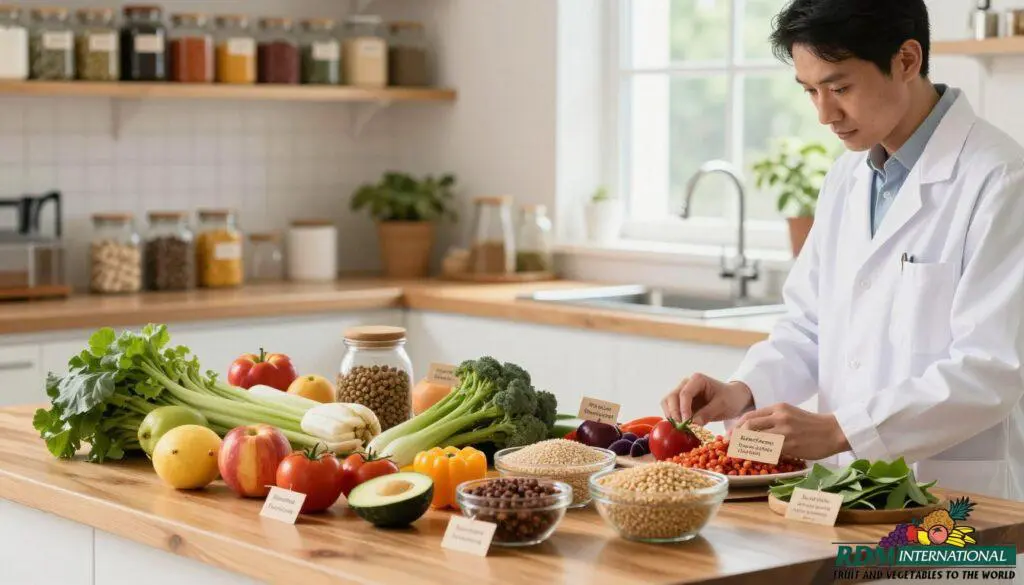
Full food ingredient disclosure is more than just listing items on a label. It involves sharing details about where ingredients come from, how they’re processed, and why certain additives are used.
When brands use complex chemical names, it can cause worry. Being open helps you feel safe about the ingredients in your food.
- The origin of raw materials.
- The specific processing techniques applied to ingredients.
- The absence of hidden allergens or unwanted fillers.
“Transparency is the foundation of a healthy relationship between the people who make our food and the people who eat it.”
Building Trust Through Open Communication
Building trust takes ongoing effort in clear communication. You should know the story of your food, from the farm to the store.
When a company talks openly about additives, it turns your doubts into lasting confidence. This open talk makes you a loyal customer who feels respected.
Practicing honest ingredient disclosure shows a brand cares about your health. It’s not just about following rules; it’s about building a partnership based on respect.
Why Is Open Ingredient Sourcing Becoming a Competitive Advantage?
Using open ingredient sourcing is more than a trend; it’s a key business strategy. In a world with so many choices, showing where your ingredients come from makes you stand out. Being open about your supply chain turns it into a marketing strength.
Differentiating Your Brand in a Crowded Market
In a crowded market, you need something unique to grab attention. Authenticity shines for those who want clear labels and open processes. Open ingredient sourcing gives customers the clarity they seek, cutting through generic marketing.
Here’s how transparency boosts your brand:
- Increased Credibility: Sharing your sourcing story builds trust with new customers.
- Market Positioning: You move from being just a product to a brand that values more.
- Risk Mitigation: Being open lowers the chance of customers doubting your quality.
Attracting the Conscious Consumer
Today’s shoppers are better informed than ever. They look for companies that match their values and care for the environment. By using open ingredient sourcing, you connect with these consumers, making them more likely to choose your product.
This approach does more than just sell a product; it builds loyalty. Consumers feel empowered knowing what they buy and where it comes from. By making transparency a core of your business, you gain a lasting advantage for growth and brand strength.
What Challenges Do Manufacturers Face with Transparent Food Production?
Why don’t all brands use transparent food production yet? The benefits for trust are clear, but changing global operations is hard. Manufacturers face a tough choice between being open and their current setup.
Navigating Complex Global Supply Chains
Tracking an ingredient from a small farm to your local store is a big job. Companies have complex supply chains across continents. It’s hard to check every step with visibility across borders.
Dealing with many suppliers means keeping standards high is a big task. A single issue can ruin the whole product. So, brands are using blockchain and other tech to solve these problems.
Balancing Cost and Transparency
Keeping food affordable is hard when using traceable ingredients costs more. 52% of US adults worry about ultra-processed foods. This makes brands look for cleaner options, but these are pricier.
“True innovation in the food industry requires us to reconcile the need for ethical sourcing with the economic reality of the modern household.”
Finding a balance is key for success in transparent food production. Brands must choose to either take the cost hit or find ways to be more efficient. The winners will be those who see these challenges as chances to build a better business.
How Can Ethical Ingredient Transparency Improve Brand Loyalty?
True brand loyalty comes from a company’s strong commitment to ethical ingredient transparency. By sharing clear, honest info about your sources, you build a partnership based on respect. This openness makes shopping easier and lets customers trust every purchase.
Creating Long-term Consumer Relationships
Turn casual shoppers into loyal fans by showing them what’s in their food. When they see the integrity in your supply chain, they’ll keep coming back. This steady communication builds a strong, lasting bond.
Being open shows you care more about your customers’ health and peace of mind. This proactive approach to sharing info strengthens your reputation as a trustworthy food leader. Over time, this trust grows into a strong community that keeps your brand in mind.
The Value of Shared Values
Today’s consumers want brands that share their ethics. By showing your commitment to sustainability, fair labor, and quality, you align with their values. This creates a bond that goes beyond just the product.
This alignment is key in a competitive market. When your brand reflects what people believe in, they become passionate supporters of your mission. In essence, ethical ingredient transparency is more than a strategy; it’s a way to build a community of proud supporters.
Conclusion
Your journey to better food starts with choosing honesty. Today’s shoppers want to know what they eat. By choosing open practices, you make simple products symbols of integrity.
RDM International shows quality is more important than quick fixes. You can shape the market by supporting brands that care about your health. Every time you buy, you’re voting for a clearer food system.
Start by reading labels carefully and asking about where food comes from. Your questions push companies to be more open and share their stories. Together, we build a world where every meal is based on truth.
Stay curious about your favorite foods’ origins. This habit keeps you healthy and connects producers with families. Your informed eating choices make the world a better place for all.
FAQ
Why has ingredient transparency in food manufacturing become a top priority for you as a shopper?
You now want to know what’s in your food. 92% of consumers check the ingredient list before buying. This means you expect brands to be open about their ingredients.
How does RDM International define and achieve authentic food production?
A: RDM International focuses on using real, quality ingredients. They make sure their products are safe and healthy. This way, you can trust what you’re eating.
How can clear food labeling simplify your decision-making process at the grocery store?
A: Clear food labeling makes shopping easier. It helps you understand what’s in your food. This makes you feel more confident in your choices.
Why is honest ingredient disclosure essential for building your trust in a brand?
A: Honest ingredient disclosure helps you feel safe. Brands like RDM International show they care by being open. This builds trust and loyalty.
What are the main challenges manufacturers face when committing to transparent food production?
Making food transparent is hard. Manufacturers face costs and supply chain issues. But they’re working to meet your demand for clean food.
How does traceable food manufacturing provide you with peace of mind?
A: Traceable food manufacturing lets you see where your food comes from. This shows the brand’s commitment to quality and ethics.
What are the benefits of choosing products that prioritize clean label ingredient sourcing?
Choosing clean label ingredient sourcing means better health. You get natural ingredients without artificial additives. This is good for your health and taste.
Why is open ingredient sourcing becoming a major competitive advantage for brands?
A: Open ingredient sourcing makes a brand stand out. It shows they value your trust. This is key for attracting conscious consumers.
How does ethical ingredient transparency improve your long-term brand loyalty?
A: Ethical ingredient transparency builds a strong bond. When a brand is open, you trust them more. This loyalty is key for long-term success.