


Ever wonder if the food you buy is really as simple as it seems? As we near the end of 2027, the food world is changing a lot. People want to know exactly what’s in their food.
They’re looking for radical transparency. This means food makers must change how they make things. Now, they focus on using simple, easy-to-understand ingredients. This way, they meet the needs of health-aware consumers.
These clean label changes are here to stay. They change how we think about food. Knowing about these ingredient changes and trends helps you choose better for your family every day.
Key Takeaways
- Consumers are demanding higher levels of transparency in food manufacturing.
- Health-conscious shoppers prioritize simple, recognizable food components.
- Manufacturers are reformulating products to remove artificial additives.
- Retail standards are evolving to favor brands with clear, honest packaging.
- Data shows that simplicity is now a primary driver for purchasing decisions.
The Evolution of Clean Label Ingredient Trends in 2027
Clean label ingredient trends have grown from a small movement to a big driver in food innovation in the U.S. You might notice that the items in your pantry have changed a lot in recent years. This change shows a big shift in how companies make the food we eat every day.
Before, many processed foods had long lists of hard-to-pronounce additives. Now, you want demanding radical simplicity and clearness from the brands you trust. This change means companies are removing synthetic fillers to use ingredients you can find in your kitchen.
The industry is changing by putting nutritional value first, not just how long a product lasts. When you buy a product, you expect to see a short, clean list of ingredients that help your health. This focus on quality is now a key market trend, shaping how products are made and sold to you.
As these clean label trends grow, your shopping choices are pushing the food industry to improve. Companies that don’t offer clear labeling are losing out to those that do. By choosing simple, whole-food products, you help shape the future of better nutrition.
RDM International Leads the Charge in Minimal Processing
RDM International is a leader in using gentle, minimal processing methods. They make sure the natural quality of ingredients stays the same from farm to table. This way, they meet the growing need for real, high-quality food that fits today’s clean label standards.
Commitment to Short Ingredient Lists
Most people prefer products with simple, easy-to-understand ingredients. RDM International focuses on transparency by removing extra fillers and synthetic agents. This builds trust and shows the quality of the main ingredients.
Choosing products with fewer ingredients means you get food closer to its natural state. This simplicity is key in the clean label movement. Companies working with RDM International see positive feedback from consumers who value this honest food approach.
Techniques for Preserving Nutritional Integrity
Keeping food healthy requires advanced, gentle technology. RDM International uses special methods that avoid harsh heat or chemicals. This way, the food keeps its original nutritional value.
The table below shows how these modern methods compare to old, intense processing:
| Feature | Traditional Processing | RDM Minimal Processing |
|---|---|---|
| Ingredient Count | High (15+ items) | Low (3-7 items) |
| Nutrient Retention | Low due to heat | High due to gentle care |
| Chemical Additives | Commonly used | Strictly avoided |
| Consumer Appeal | Declining | Increasingly preferred |
By using these new solutions, you can offer customers tasty and healthy products. Adopting these standards is crucial for any brand wanting to succeed in today’s market.
Heightened Consumer Demands for Radical Transparency
You might find yourself checking the back of food packages more often. This is because people want to know what’s in their food. They want to feed their families without needing a chemistry degree.
Trust is the new currency in the food world. When brands are unclear, they might lose your trust. Being open helps build a strong bond with customers based on honesty.
Digital Labeling and QR Code Integration
Technology is changing how we learn about our food. Many brands use QR codes on their labels. These codes let you scan and see where your food comes from or check safety certifications.
This digital move lets you make smart choices quickly. It cuts down on confusion and gives you a closer look at how food is made. This shift is making the industry more open and connected.
The Shift Toward Plain-Language Ingredient Declarations
There’s also a big push for simple language on labels. Brands are now using clear terms instead of complex chemical names. This makes it easier to spot allergens or unwanted additives.
By focusing on transparency in food labeling, brands show they care about your health and time. Meeting these consumer demands is key for success in today’s market.
| Feature | Traditional Labeling | Modern Transparent Labeling |
|---|---|---|
| Ingredient Names | Scientific/Technical Jargon | Plain-Language Terms |
| Information Access | Limited to Package Space | Digital/QR Code Integration |
| Brand Trust | Low/Skeptical | High/Verified |
New Federal Regulations Shaping the Clean Label Landscape
You might notice big changes in your favorite products as new federal rules kick in. Regulatory bodies are now playing a bigger role in what makes a product healthy and clear. These clean label regulations aim to keep you safe and make sure packaging info is clear and right.
Updates to FDA Labeling Requirements
The FDA wants better standards for listing ingredients on food labels. Now, makers must clearly list what’s in their products to avoid tricking people. This means many companies are switching to simple, recognizable ingredients instead of complex chemical names.
Several big changes are hitting the industry:
- Mandatory disclosure of specific synthetic additives.
- Stricter guidelines for font size and readability on labels.
- Increased requirements for documenting the source of processed ingredients.
Enforcement of Natural Claims in the United States
The term “natural” used to be unclear, but not anymore. New clean label regulations require proof for any natural claims. If a product has synthetic dyes or heavily processed chemicals, it can’t be called natural.
This crackdown makes your family safer by cutting down on hidden additives. Brands that don’t follow these rules face tough scrutiny and could face legal trouble. These legislative updates are pushing the industry toward safer, clearer ingredients you can rely on.
The Rise of Natural Ingredients in Processed Foods
You might have noticed a big change in the grocery aisle. Brands are now using natural ingredients instead of artificial additives. This change is not just a trend; it’s a big shift in how food is made. By picking products with clean labels, you help make the food world healthier.
Replacing Synthetic Dyes with Botanical Extracts
For a long time, food companies used dyes made from petroleum to make products look good. Now, they’re turning to plant extracts for the same effect. Your favorite sweets or drinks might now use beet juice, turmeric, or spirulina for vibrant colors.
This change is a big challenge for food makers. They need to find ways to keep the colors bright during processing. But, they’re finding that plant-based colors look more natural and true to what you want. Natural ingredients show that you don’t need harsh chemicals to make food look appealing.
Natural Preservatives Gaining Market Share
Keeping processed foods fresh without artificial preservatives is a big task. But, the food industry is finding natural solutions like rosemary extract, vinegar, and cultured dextrose. These help keep food safe and make your ingredient list easier to understand.
The table below shows the difference between old synthetic additives and new, cleaner options:
| Additive Type | Synthetic Version | Natural Alternative | Primary Benefit |
|---|---|---|---|
| Colorant | Red 40 | Beet Juice | Plant-derived pigment |
| Preservative | Sodium Benzoate | Rosemary Extract | Antioxidant properties |
| Flavor Enhancer | MSG | Yeast Extract | Clean label profile |
As you keep asking for better quality, companies are working hard on innovative solutions. Using natural ingredients means you can enjoy processed foods without harming your health.
Sustainable Sourcing as a Non-Negotiable Standard
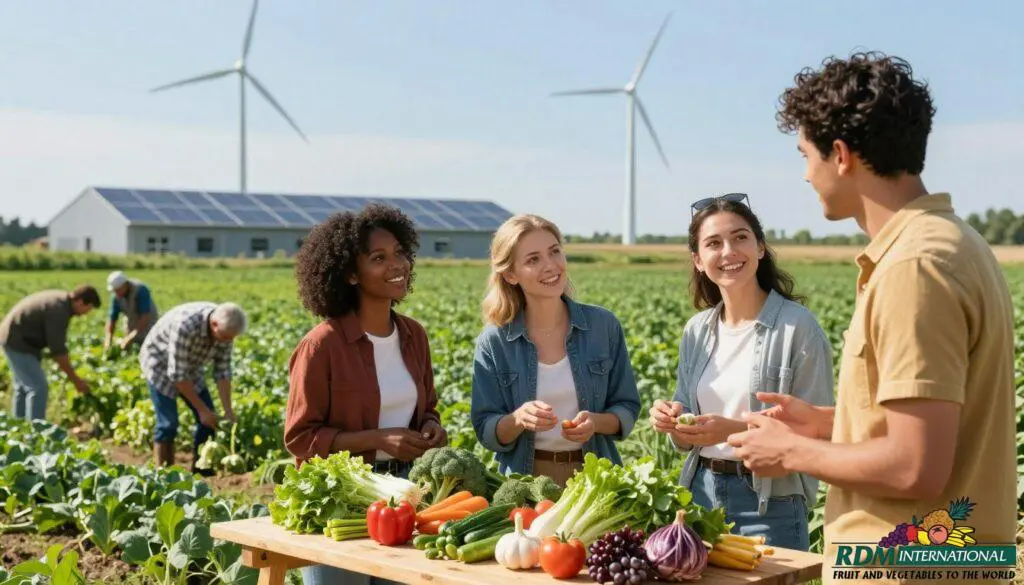
Sustainability has become a key part of the food industry today. You expect brands to be responsible for their products’ entire life cycle. This means sustainable sourcing is now a must for any brand you trust.
Traceability from Farm to Fork
Thanks to modern tech, you can track where your food comes from. Companies use advanced tracking to prove the origin of their natural ingredients. This way, brands show you the journey from farm to your table.
This transparency lets you check if a product fits your values. Knowing the source helps you support farmers who farm ethically. It makes shopping a meaningful way to connect with the world’s food supply.
Reducing Carbon Footprints in Ingredient Procurement
Brands are working hard to cut down their environmental impact. They’re making their supply chains more efficient to reduce the distance natural ingredients travel. This effort lowers greenhouse gas emissions without sacrificing quality.
Here’s how these changes compare:
| Feature | Traditional Sourcing | Sustainable Sourcing |
|---|---|---|
| Supply Chain Visibility | Limited or Opaque | Full Farm-to-Fork |
| Carbon Impact | High due to long transit | Low via local procurement |
| Ingredient Quality | Variable | High and Verified |
| Ethical Standards | Often Unclear | Certified and Audited |
By choosing sustainable sourcing, you help the planet. Every purchase you make is a vote for a better food system. Your choices push the industry towards more responsible and open practices.
Advancements in Plant-Based Ingredient Functionality
Have you noticed how meat alternatives taste and feel better than before? Food scientists are working hard to make them more like real meat. They want to give you a great taste without using lots of artificial stuff.
Improving Texture Without Chemical Additives
Getting the right texture in burgers or sausages is key. Before, people used chemicals to keep them together. Now, they’re using natural hydrocolloids and plant fibers to get that meaty feel.
These new ingredients help keep the product together without using chemicals. You can get a juicy, firm texture that meat lovers will love. This is thanks to pea protein isolates and seaweed thickeners.
Clean Label Solutions for Meat Alternatives
The magic happens with sustainable sourcing and smart food science. Brands are choosing simple, natural ingredients. This makes the food better for you and builds trust with customers.
Choosing these modern options means you support a system that values honesty and quality. Here’s a table showing how old additives are being replaced by better, greener choices.
| Function | Traditional Additive | Clean Label Alternative |
|---|---|---|
| Binding | Methylcellulose | Citrus Fiber |
| Coloring | Red 40 | Beet Juice Extract |
| Preservation | Sodium Nitrite | Rosemary Extract |
| Texture | Modified Starch | Chickpea Flour |
The Growing Influence of Clean Label Certifications
Clean label certifications are key to linking your health goals with manufacturer openness. As you shop, these symbols offer necessary assurance that products meet strict safety and quality standards. They simplify the complex ingredient lists.
Third-Party Verification and Consumer Trust
Third-party testing shows a brand’s commitment to truth. These independent groups check if ingredients match the label, crucial for long-term consumer trust. Without this, it’s hard to trust a company’s claims.
“Transparency is the new currency of the food industry, and certifications are the bank that validates your investment in health.”
Using these verified seals, you can trust your food choices better. This process lowers the risk of hidden additives. It ensures products are as clean as they claim to be.
Navigating the Maze of Industry Seals
The many labels can feel overwhelming, but knowing the real seals makes shopping easier. Not all labels are genuine, and some are just marketing tricks. It’s important to tell the difference between a verified seal and a generic claim.
| Certification Type | Primary Focus | Consumer Benefit |
|---|---|---|
| Organic Certified | Pesticide-free farming | Reduced chemical exposure |
| Non-GMO Project | Genetic integrity | Natural ingredient sourcing |
| Clean Label Project | Purity and contaminants | Safety and transparency |
Choosing products with recognized clean label certifications supports companies that care about your health. This change pushes the whole industry to improve. Your ability to spot these seals is your strongest tool for a healthier life.
Organic Food Trends and Their Impact on Mainstream Retail
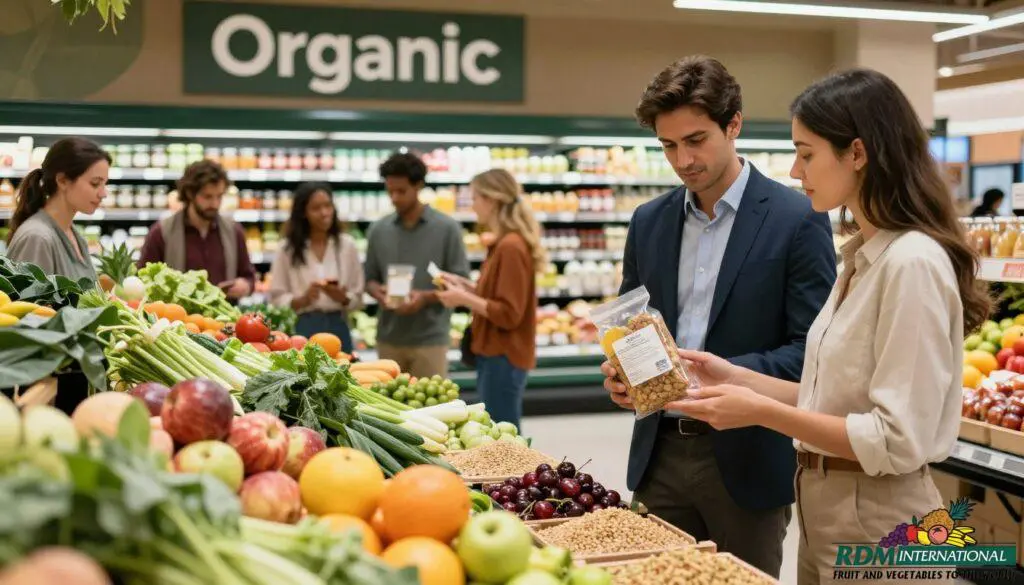
Shopping habits are changing fast. Organic food trends are now common in stores everywhere. You can find quality, natural products on your weekly grocery trip. This change shows people want food that’s natural and reliable.
The Convergence of Organic and Clean Label
The difference between organic and clean label expectations is fading. Many see them as part of the same thing. When shopping, you look for both the organic label and simple ingredients.
Brands are now combining clean label certifications with organic labels. This gives you a clearer picture of your food. It makes choosing what to buy easier and ensures quality.
Accessibility in Conventional Grocery Stores
Big grocery stores are updating their shelves to meet new tastes. You don’t have to go to special stores for good food anymore. Stores are giving more space to products with clean label certifications to attract health-aware families.
This change makes better food choices more accessible everywhere. Whether you’re in a big city or a small town, finding healthy products is easy. This makes it simpler to eat well without extra work.
Technological Breakthroughs in Food Preservation
Innovation in food science is key to clean label products. Now, you can enjoy fresh items longer without synthetic additives. These advances help manufacturers meet your quality and safety standards.
High-Pressure Processing Innovations
High-Pressure Processing, or HPP, is a big change for the industry. It uses intense water pressure instead of heat to kill bacteria. This keeps your food’s natural taste and nutrients.
It’s great for organic food trends because it preserves raw ingredients. Brands can offer products that taste like they just came from the farm. This means you don’t need artificial preservatives for a safe shelf life.
Cold-Chain Logistics and Freshness Retention
Advanced cold-chain logistics keep your food at the right temperature. Smart sensors and tracking prevent temperature changes that could harm quality. This is crucial for plant-based ingredients, which are sensitive to changes.
When combined with smart packaging, food waste drops. You get a reliable supply chain with fresher, better items. These systems help retailers meet organic food trends and keep plant-based ingredients stable during transport.
| Preservation Method | Primary Benefit | Impact on Quality |
|---|---|---|
| High-Pressure Processing | Eliminates Pathogens | High Nutrient Retention |
| Advanced Cold-Chain | Temperature Stability | Extended Freshness |
| Modified Atmosphere | Oxygen Control | Prevents Oxidation |
How Your Shopping Habits Are Changing the Industry
Every time you scan a label, you’re voting for the future of food. Your choices guide big companies toward healthier, more honest ways of making food. By choosing quality, you push the market to meet your standards.
The Power of the Conscious Consumer
The rise of the conscious shopper has changed how companies make products. You’re not just buying; you’re shaping the supply chain. When you ask for transparency in food labeling, brands must listen to stay ahead.
This change means companies are ditching hidden additives and complex names. They see informed shoppers as their most important customers. So, they’re working hard to be clear and honest with you.
Voting with Your Wallet for Better Ingredients
Your money talks louder than words in changing the system. By picking products with simple labels, you support companies that share your values. This consumer demand pushes others to improve their ingredients too.
The table below shows how your shopping habits lead to real changes in the industry:
| Consumer Action | Industry Response | Market Outcome |
|---|---|---|
| Reading ingredient lists | Simplifying formulations | Reduced synthetic additives |
| Seeking certifications | Third-party verification | Increased brand trust |
| Prioritizing local sourcing | Shortening supply chains | Lower carbon footprints |
| Demanding clear labels | Plain-language declarations | Higher transparency levels |
By picking brands that care about your health, you help the industry grow. Your choice for better ingredients is more than personal. It’s a powerful catalyst for a healthier food system for all.
Conclusion
The food world is changing fast, thanks to your choices. You can shape the market by picking products that match your values. Clean label trends in 2027 show a big shift in how we see food.
Brands that are open and use sustainable sources will lead. You’ll see more honest labeling to gain your trust. This push for simplicity means you’ll know what’s in your food.
Your focus on better ingredients pushes the whole industry to improve. Supporting companies that value honesty helps make food healthier for all. Keeping up with clean label trends in 2027 helps you make smart choices for your family.
Don’t stop asking about what’s in your food. Your opinions are key in the food industry’s growth. Together, we can make sure every meal is of high quality and transparent.
FAQ
What are the primary clean label ingredient trends in 2027 that I should look for?
In 2027, you’ll see a big change in food labels. The focus is on simple, natural ingredients. Look for products with fewer ingredients that you can easily understand.
How is RDM International helping to shorten the ingredient lists on my favorite products?
RDM International uses new, gentle ways to process food. This keeps the nutrients in and reduces additives. It’s all about making food simpler and more natural.
Why is transparency in food labeling becoming a standard for most brands?
Today, you want more than just a list of ingredients. You want the whole story. Brands like Nestlé and General Mills are using QR codes and digital labels to share more. This makes it easier to trust what you’re eating.
What impact do new clean label regulations have on the food I buy in the United States?
New rules are making food safer and more honest. The FDA is pushing for fewer synthetic ingredients. This means safer, healthier food for you.
Can botanical extracts really replace synthetic dyes and preservatives effectively?
Yes! Botanical extracts like beets and turmeric are now the go-to for color. Natural preservatives from plants are also becoming common. This means your food stays fresh without harsh chemicals.
How does sustainable sourcing influence the quality of natural ingredients?
Sustainable sourcing means better food. It’s about growing ingredients in the best conditions and harvesting them right. This makes your food healthier and more eco-friendly.
How are manufacturers improving the texture of plant-based ingredients without chemicals?
Food scientists have found new ways to make plant-based foods better. Techniques like fermentation and extrusion mimic the taste and feel of meat. This means you can enjoy plant-based foods without hidden additives.
Why are clean label certifications and industry seals so important for me as a shopper?
Clean label certifications are your guide. They show a product has been tested for safety and honesty. These standards help you find brands that truly care about quality.
How are organic food trends merging with the clean label movement in retail?
Organic and clean label are becoming one. Stores like Kroger and Target are offering more organic and clean label options. This makes it easier to find healthy, chemical-free food.
What technological breakthroughs are keeping my clean label food fresh?
Technologies like High-Pressure Processing (HPP) keep food fresh without heat or chemicals. This, along with better storage, means your food stays great from factory to fridge.
How do my individual purchasing decisions affect the global food industry?
Your choices have a big impact. By choosing clean label products, you’re pushing companies to be better. Your demand for transparency and health is driving change in the food world.