


Ever wondered how meal kits stay fresh even when you’re busy? The need for quick meals is rising. This makes finding a good frozen vegetable supplier key to maintaining high meal kit quality.
High-quality produce keeps your dishes fresh and healthy, making every meal special. Companies like A1 Cash and Carry deliver wholesale frozen vegetables right to your kitchen, focusing on portion control packs to cut down on waste and prep time. By investing in bulk frozen vegetables, every customer gets the same great quality. These premeasured bags make scaling up easy without losing the integrity of your brand.
A reliable frozen vegetable supplier ensures your meal kit quality never wavers. Your choice of a frozen vegetable supplier directly impacts meal kit quality. By sourcing wholesale frozen vegetables, you guarantee bulk frozen vegetables and professional portion control packs.
Key Takeaways
- Reliable frozen vegetable supplier partnerships are vital for meal kit quality.
-
Wholesale frozen vegetables provide effective solutions for growing brands.
-
Utilizing portion control packs significantly reduces kitchen food waste.
-
Consistent bulk frozen vegetables improve overall customer satisfaction.
-
Ready to use produce from a frozen vegetable supplier streamlines assembly.
-
Maintain meal kit quality by using flash chilled, nutritious options.
-
Scale operations quickly with premeasured portion control packs.
-
Secure a year round supply by ordering wholesale frozen vegetables.
Why Your Ingredient Choices Make or Break Frozen Meals
Choosing the right ingredients is key when making high-protein frozen meals. The quality of your meals depends on what you pick. These choices affect the meal’s nutrition, taste, and overall quality.
Alyssa Pike, R.D., from the International Food Information Council (IFIC), notes an increase in protein-rich diets. This shift shows in how people now focus on high-protein meal prep for their frozen meals.
Using the best ingredients ensures your meals are tasty and nutritious. Opt for lean proteins, whole grains, and various veggies. Bad ingredients, however, can make meals full of preservatives but lacking in nutrients.
| Ingredient Category | High-Quality Options | Low-Quality Options |
|---|---|---|
| Proteins | Lean chicken breast, turkey, fish | Processed meats, low-grade poultry |
| Grains | Whole wheat, quinoa, brown rice | Refined white rice, processed pasta |
| Vegetables | Fresh or frozen mixed vegetables | Canned vegetables, low-nutrient options |
By picking the right ingredients, you can make healthy frozen meal ingredients. These meals will not only taste good but also be full of nutrients. This way of cooking is good for your health and supports a green lifestyle.
Lean Poultry: Your Go-To Protein Foundation
Lean poultry is a top choice for high-protein ingredients in frozen meals. It’s not only packed with protein but also comes in various textures and flavors. This makes it perfect for many different dishes.
Chicken breast and thighs are favorites among lean poultry options. Chicken breast is lean and tender, great for dishes where you want a soft feel. Chicken thighs, on the other hand, have a richer taste and a denser texture, adding depth to meals.
Chicken Breast and Thighs for Different Textures
Using both chicken breast and thighs in your meal prep adds variety to your frozen meals. For example, chicken breast works well in creamy sauces, while thighs are better for heartier dishes like grilling.
Turkey is another great lean poultry choice. Ground turkey is a leaner alternative to ground beef, and sliced turkey breast is perfect for sandwiches or wraps.
Turkey Options That Add Variety to Your Rotation
Turkey breast is lean and can be seasoned in many ways to add flavor. Turkey thighs are great for slow-cooked dishes, where the meat becomes tender and falls apart easily.
Adding lean poultry to your frozen meals boosts protein and keeps meals exciting. Whether you choose chicken or turkey, lean poultry is versatile and a solid base for many dishes.
Red Meat Selections That Freeze Beautifully
Red meat is great for freezing and can make your meals better. It adds convenience, nutrition, and flavor. Choosing the right red meat can really help.
Ground Beef and Lean Cuts Worth Stocking
Ground beef is a favorite in many homes. It’s easy to use and works well in many dishes. Choose leaner cuts for healthier meals.
Lean beef is full of protein and can be used in many recipes. It’s a great choice for those who want to eat healthy.
Pork loin is another lean cut worth having. It can be cooked in many ways and tastes great. Lean cuts are perfect for those who want to eat less fat but still enjoy good flavor.
| Red Meat Type | Protein Content | Freezing Quality |
|---|---|---|
| Ground Beef (90% lean) | 26 grams per 3 oz serving | Excellent |
| Pork Loin | 23 grams per 3 oz serving | Very Good |
| Bison | 22 grams per 3 oz serving | Excellent |
Bison as a Protein-Dense Alternative
Bison is a protein-dense alternative to regular red meat. It’s leaner and tastes like beef. You can use it in most beef recipes for a healthier twist.
When cooking bison, remember it cooks fast. It can get dry if cooked too long. So, watch its cooking time carefully.
Seafood Ingredients for High-Protein Frozen Meals
Seafood is a great choice for high-protein frozen meals. It’s not just high in protein but also packed with omega-3s, vitamins, and minerals. Adding seafood to your meals can make them more varied and nutritious.
Salmon and White Fish Varieties You Should Try
Salmon is perfect for frozen meals because of its omega-3s and taste. Cod and tilapia are also good, with their mild taste and firm texture. Fish like tuna and trout are also good choices for their health benefits and flexibility in recipes.
Here are some benefits of using salmon and white fish in your meals:
- They have a lot of protein for muscle health
- They’re full of omega-3s for heart health
- They’re versatile for many recipes
Shrimp and Other Shellfish That Hold Up Well
Shrimp freezes well and can be used in many dishes, like stir-fries and salads. Scallops and mussels also keep their texture and taste when frozen. Shrimp and shellfish are not only high in protein but also low in fat, making them a healthy choice.
Here are some benefits of using shrimp and other shellfish in your meals:
- They’re low in fat and calories
- They’re rich in protein and nutrients
- They can be used in many different dishes
Plant-Based Protein Powerhouses You’ll Actually Enjoy
Plant-based proteins are more than a trend; they’re a healthy choice for everyone. They offer a variety of options for those looking to diversify their protein sources or follow a plant-based diet. These proteins are easy to add to frozen meals, ensuring a balanced and nutritious diet.
Tofu and Tempeh for Meat-Free Options
Tofu and tempeh are top picks for plant-based protein. Tofu is made from soybeans and is very versatile, taking on flavors well. It’s great for many dishes. Tempeh is fermented soy with a nutty taste and is full of probiotics, helping with digestion.
Both tofu and tempeh can be marinated and cooked in many ways. They’re perfect for stir-fries, curries, or as a protein substitute in recipes.
Legumes and Beans That Pack a Punch
Legumes and beans are packed with protein, fiber, and essential nutrients. They include lentils, chickpeas, and black beans, each with its own flavor and texture. They’re great for adding protein to your meals.
These foods are perfect for soups, stews, salads, and as a main course. They freeze well, keeping their nutritional value and flavor.
Edamame and Other Soy Products
Edamame, or boiled soybeans, are a tasty and protein-rich snack or side dish. They’re also versatile, adding protein to various dishes. Soy milk and soy yogurt are other great sources of plant-based protein.
Here’s a comparison of the protein content in some of these plant-based protein sources:
| Food Item | Protein Content per 100g |
|---|---|
| Tofu | 8g |
| Tempeh | 15g |
| Lentils | 9g |
| Edamame | 11g |
| Chickpeas | 8g |
Adding these plant-based protein powerhouses to your diet can make meals delicious and nutritious. Try different recipes to find your favorites and keep your meals exciting and satisfying.
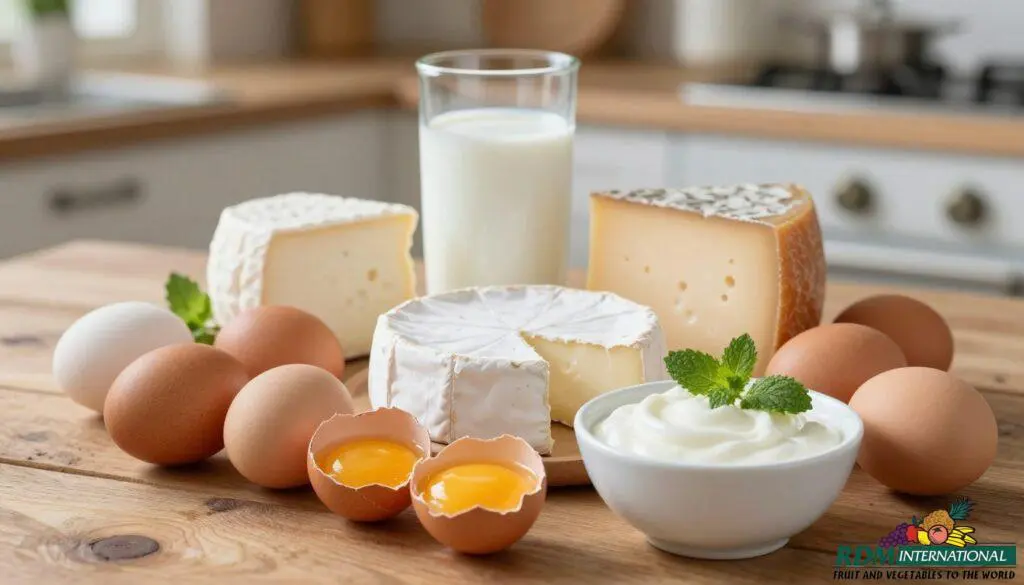
Eggs and Dairy: Versatile Protein Additions
Eggs and dairy products are great for adding protein to your frozen meals. They not only boost protein but also make your meals taste better and feel creamier.
Whole Eggs and Egg Whites for Breakfast Meals
Whole eggs and egg whites are perfect for breakfast. You can make omelets, scrambled eggs, or add them to burritos. Egg whites are good for those who want less cholesterol but still want lots of protein.
Using poached or hard-boiled eggs in your meals is convenient. They stay nutritious even when reheated or mixed with other foods.
Greek Yogurt and Cottage Cheese as Secret Weapons
Greek yogurt and cottage cheese are packed with protein. Greek yogurt makes soups and sauces creamy. Cottage cheese is great for protein-rich desserts or snacks.
| Ingredient | Protein Content per Serving | Common Uses |
|---|---|---|
| Whole Eggs | 6-7 grams per large egg | Omelets, scrambled eggs, breakfast burritos |
| Egg Whites | 3.6 grams per large egg white | Scrambled eggs, omelets, protein shakes |
| Greek Yogurt | 20 grams per 1 cup serving | Sauces, dips, desserts |
| Cottage Cheese | 28 grams per 1 cup serving | Snacks, desserts, salads |
Adding eggs and dairy like Greek yogurt and cottage cheese to your meals boosts their protein. Try out different recipes to find your favorites.
Whole Grains That Complement Your Protein Perfectly
To make your high-protein frozen meals even better, add whole grains. They are full of fiber, vitamins, and minerals. These are often missing in processed foods.
Whole grains make your meals more interesting and give you lasting energy. They are packed with antioxidants. Eating them can help lower the risk of heart disease and diabetes.
Quinoa and Brown Rice as Reliable Bases
Quinoa and brown rice are great for your frozen meals. Quinoa has all nine essential amino acids your body needs. It’s also full of iron, magnesium, and fiber. Brown rice is high in fiber and manganese, which are good for your health.
You can use quinoa and brown rice in many dishes. They’re perfect for meal prep because you can cook them in bulk and freeze them.
Whole Wheat Pasta and Ancient Grains
Whole wheat pasta and ancient grains like Kamut and bulgur are also good choices. Whole wheat pasta has more fiber and nutrients than white pasta. Ancient grains add a nutty flavor and extra nutrition.
You can use these grains in many dishes, like pasta salads and grain bowls. Mixing different grains with your proteins makes meal prep more exciting.
Try different whole grains to find what you like best. They’re great for boosting fiber or adding variety to your meals.
Vegetable Blends for Nutrition and Flavor
Vegetable blends are key to making your frozen meals better. They add nutrients and flavor. This makes your meals more enjoyable and filling.
Frozen vegetables are as good as fresh ones. They keep their nutrients well. Just pick the right blends and use them right in your meals.
Pre-Mixed Frozen Vegetable Combinations Worth Buying
Pre-mixed frozen vegetable blends save time. They offer a mix of nutrients and tastes. Some popular ones include:
- Mediterranean blends with bell peppers, zucchini, and cherry tomatoes
- Asian-style mixes with broccoli, carrots, and snap peas
- Classic mixes of peas, carrots, and corn
These blends are a good start for meals. Just thaw and mix with your protein for a quick, healthy meal.
Creating Your Own Custom Blends
Making your own blends is fun and rewarding. It lets you choose what you like and need.
To make your own, pick vegetables that match in texture, taste, and nutrition. Some tips are:
- Use different colored veggies for more vitamins and minerals
- Include tender and firmer veggies for texture
- Choose in-season veggies for freshness and taste
Best Individual Vegetables for Freezing
Some veggies freeze well alone and are great for meals. Here are a few:
| Vegetable | Nutritional Highlights | Freezing Tips |
|---|---|---|
| Broccoli | Rich in vitamins C and K, and fiber | Blanch before freezing to preserve color and nutrients |
| Spinach | Packed with iron and antioxidants | Freeze in airtight bags or containers to prevent freezer burn |
| Carrots | High in vitamin A and fiber | Blanch and chop before freezing for easy use in soups and stews |
Adding these veggies to your meals makes them tasty and healthy. It’s a great way to meet your dietary needs.
Healthy Fats That Enhance Taste and Texture
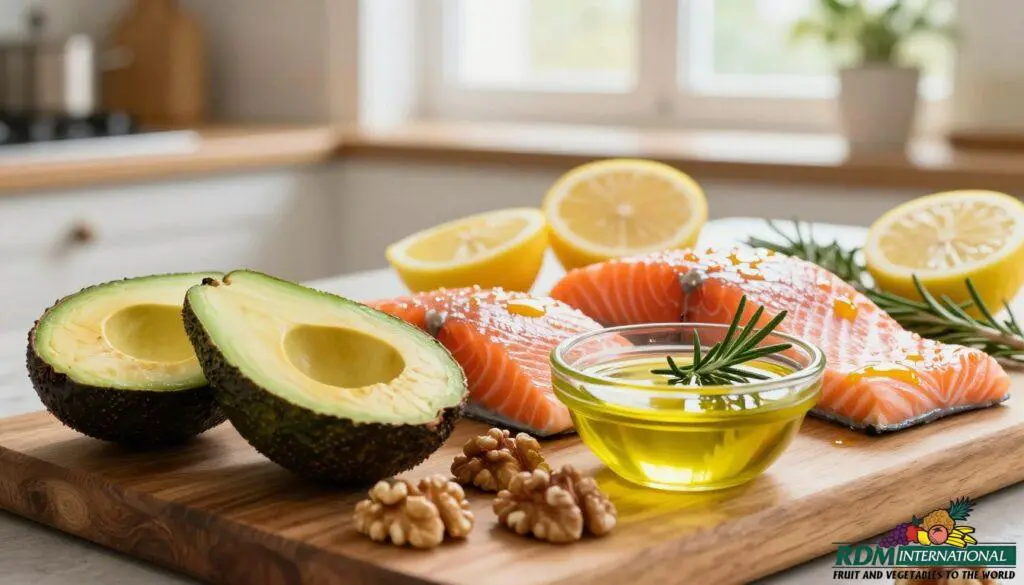
Make your frozen meals better by adding healthy fats. These fats taste great and are good for you. They add flavor, texture, and nutrients to your meals.
Avocado and Olive Oil for Rich Flavor
Avocado and olive oil are full of healthy fats. Avocado makes your meals creamy. Olive oil adds a rich taste.
You can add avocado slices on top or blend it into sauces. Use olive oil to sauté before freezing or as a finishing touch.
Both avocado and olive oil are good for your heart. They also have antioxidants that fight inflammation and boost health.
Nuts and Seeds That Add Crunch
Nuts and seeds add crunch and healthy fats to your meals. Almonds, walnuts, chia seeds, and flaxseeds are great choices. Sprinkle them on top or blend into recipes.
They’re also packed with protein and fiber. This makes them a nutritious choice for your meals. They help you feel full and give you energy.
Keep nuts and seeds fresh by storing them right. Use airtight containers in the fridge or freezer. This keeps their taste and nutrients intact.
Herbs, Spices, and Flavor Boosters You Need
Turning your high-protein frozen meals into amazing dishes starts with the right seasonings. Herbs, spices, and flavor boosters can make your meals richer and fresher. They add depth and complexity without salt or sugar. The right mix can turn your frozen meals from plain to spectacular.
Essential Seasoning Blends for Your Pantry
Having a good pantry with key seasoning blends is key. You’ll need Italian seasoning, chili powder, and curry powder. These can give your meals a Mediterranean, spicy, or Indian flavor.
Italian seasoning is great with chicken, fish, and veggies. Chili powder brings a bold, spicy taste to beef, chicken, or bean dishes.
Garlic, Ginger, and Fresh Aromatics
Garlic, ginger, and fresh aromatics are vital for adding freshness and depth. They’re perfect for soups, stews, and stir-fries. Just sauté minced garlic and ginger in olive oil to unlock their flavors.
Fresh herbs like parsley, cilantro, or basil add a bright taste. Simply chop them finely and sprinkle over your dish before serving.
Low-Sodium Broths and Sauces
Low-sodium broths and sauces add moisture and flavor. Choose low-sodium options for a healthier meal. Use them as a base for soups, stews, or casseroles, or as a sauce.
Popular choices include low-sodium chicken broth, vegetable broth, and marinara sauce. You can also make your own from scratch with veggies, herbs, and spices.
Smart Carbohydrates for Balanced Energy
Your diet is key to keeping your energy up, and smart carbohydrates are at the heart of it. These complex carbs give you energy that lasts all day.
Smart carbs are great for a balanced diet. They release glucose slowly, avoiding energy highs and lows. This makes them perfect for your frozen meals.
Sweet Potatoes and Root Vegetables
Sweet potatoes and other root veggies are full of complex carbs. They’re also packed with fiber, vitamins, and minerals. Sweet potatoes are easy to add to many dishes, from savory to sweet.
Carrots, beets, and parsnips are also great for complex carbs. They can be roasted, mashed, or steamed. This adds variety to your meals.
Lentils and Other Complex Carb Sources
Lentils are a big source of complex carbs. They’re also high in protein, making them great for vegetarians and vegans. You can use lentils in soups, stews, curries, and salads.
Whole grains like quinoa, brown rice, and whole wheat are also complex carbs. Pairing them with lentils and root veggies makes meals that are both healthy and full of energy.
Adding these smart carbs to your frozen meals means you’ll always have energy-boosting foods. And they’re both healthy and tasty.
How to Combine These Ingredients for Maximum Success
Now that we’ve looked at the key ingredients, let’s talk about how to mix them for the best results. Making a tasty frozen meal needs careful thought. You must mix proteins, whole grains, veggies, and healthy fats well.
To get this right, understanding how to balance your macronutrients is key. A good meal should have protein, complex carbs, and healthy fats. This mix gives you energy and keeps you full.
Balancing Your Macronutrients
It’s important to balance your macronutrients for a healthy diet. Try to mix protein, complex carbs, and healthy fats in each meal. For example, pair lean proteins like chicken or tofu with carbs like quinoa or brown rice. Add healthy fats like avocado or nuts for extra flavor.
Layering Flavors Effectively
Layering flavors is an art that makes your frozen meals taste better. Start with a base flavor from your protein. Then, add depth with herbs and spices. Finally, enhance with aromatics like garlic or ginger.
For example, marinate your protein in olive oil, lemon juice, and herbs before freezing. When reheating, add sautéed garlic and ginger. This way, you get a richer and more satisfying taste.
Conclusion
As a meal delivery company, finding a reliable frozen vegetable supplier is key. They ensure you get high-quality ingredients consistently to protect your meal kit quality. Choosing to use portion control packs and customized solutions is vital for your daily operations.
A good frozen vegetable supplier offers these tools, making your meal prep easier and more efficient. When picking a partner for wholesale frozen vegetables, look at their ability to meet your specific delivery and safety needs. A strong partnership will boost your business and make customers happier. Ultimately, the right bulk frozen vegetables strategy is what elevates your brand above the competition. Trusting a frozen vegetable supplier is the first step toward superior meal kit quality.
By sourcing wholesale frozen vegetables, you guarantee bulk frozen vegetables consistency across every box. Your frozen vegetable supplier is the guardian of meal kit quality. Use wholesale frozen vegetables and portion control packs to maximize bulk frozen vegetables efficiency. Every frozen vegetable supplier understands that meal kit quality depends on wholesale frozen vegetables and precise portion control packs. Consistent bulk frozen vegetables define your brand.
FAQ
Chicken Breast and Thighs for Different Textures
Lean poultry is a top choice for high-protein meal prep. Chicken breast is low in fat but high in protein. Chicken thighs, on the other hand, offer a juicier texture that holds up well to freezing and reheating.
Brands like Perdue or Tyson provide consistent quality. You can rely on them for your weekly meal prep.
Turkey Options That Add Variety to Your Rotation
Don’t overlook turkey! Ground turkey or sliced turkey breast can add a lighter flavor to your meals. They pair well with bold spices, making your meals more varied without sacrificing nutrition.
Ground Beef and Lean Cuts Worth Stocking
Red meat can be a great addition to your freezer if you choose the right cuts. Opt for lean ground beef (90% lean or higher) to avoid excess grease. Lean steaks, when sliced thinly, also freeze and reheat well in stir-fries.
Bison as a Protein-Dense Alternative
For a protein-dense alternative, consider bison. Brands like Force of Nature offer sustainably sourced bison. It’s leaner than traditional beef but offers a rich, slightly sweet flavor.
Salmon and White Fish Varieties You Should Try
Seafood is a great protein source that adds healthy Omega-3 fatty acids to your meals. Salmon is robust and maintains its flaky texture after freezing. White fish like cod or halibut are also good, but they need moisture-locking sauces.
Shrimp and Other Shellfish That Hold Up Well
Shrimp is the most convenient seafood for high-protein freezer meals. It thaws quickly and can be added to pastas or grain bowls at the last minute. Look for wild-caught options from Kirkland Signature for quality and value.
Tofu and Tempeh for Meat-Free Options
If you’re looking for meat-free alternatives, tofu and tempeh are great. They absorb marinade flavors well. Use extra-firm tofu from brands like Nasoya to keep its structure after freezing.
Legumes and Beans That Pack a Punch
Legumes and beans are high in protein and fiber. Black beans, chickpeas, and kidney beans freeze well in stews and chilis. They are shelf-stable and nutritious.
Edamame and Other Soy Products
Edamame is a fantastic snack or addition to a bowl. It’s a complete protein, meaning it provides all essential amino acids. It’s a “must-have” for any high-protein meal prep.
Whole Eggs and Egg Whites for Breakfast Meals
You can freeze breakfast burritos or crustless quiches made with whole eggs and egg whites. This ensures a protein-rich start to your day, even when you’re in a rush.
Greek Yogurt and Cottage Cheese as Secret Weapons
Greek yogurt (like Fage) and cottage cheese (like Good Culture) are secret weapons for boosting protein. You can blend them into sauces for a creamy texture without heavy fats. This increases the protein content of your dish.
Quinoa and Brown Rice as Reliable Bases
Whole grains are essential for balanced meals. Quinoa and brown rice are reliable bases that don’t get mushy when frozen. They provide complex carbohydrates for energy.
Whole Wheat Pasta and Ancient Grains
For a change, try whole wheat pasta or ancient grains like farro. They offer a nuttier flavor and more fiber than refined grains. This makes your high-protein meals more nutritious.
Pre-Mixed Frozen Vegetable Combinations Worth Buying
Convenience is key in meal prep. Birds Eye or Whole Foods Market 365 offer excellent pre-mixed vegetable blends. They save you time on chopping and ensure a variety of nutrients.
Creating Your Own Custom Blends
You can also create your own custom blends. Mix bell peppers, onions, and snap peas for a stir-fry. Or broccoli and carrots for a classic side. This lets you control the quality and portion sizes of your ingredients.
Best Individual Vegetables for Freezing
Hardier vegetables like broccoli, cauliflower, and Brussels sprouts freeze better than water-heavy ones. Stick to the “crunchy” ones for the best results.
Avocado and Olive Oil for Rich Flavor
Healthy fats are vital for nutrient absorption and flavor. While fresh avocado doesn’t freeze well, avocado oil and extra virgin olive oil can add richness. Use them in your cooking for a satisfying mouthfeel.
Nuts and Seeds That Add Crunch
Add a sprinkle of almonds, walnuts, or pumpkin seeds after reheating. This adds a delightful crunch and boosts protein and healthy fats.
Essential Seasoning Blends for Your Pantry
Don’t let your meals be bland! Use seasoning blends like Everything Bagel seasoning or Mrs. Dash for salt-free flavor. Spices can transform basic ingredients into different cuisines.
Garlic, Ginger, and Fresh Aromatics
Garlic and ginger are incredible aromatics that add health benefits and deep flavor. Sautéing them before adding your protein can greatly enhance your frozen meal’s taste.
Low-Sodium Broths and Sauces
Use low-sodium broths (like Swanson) to keep your proteins moist during freezing. A little liquid in your container prevents “freezer burn” and helps flavors meld together.
Sweet Potatoes and Root Vegetables
Sweet potatoes are a “smart carb” favorite. They are packed with Vitamin A and fiber. They freeze well, whether mashed or roasted in cubes.
Lentils and Other Complex Carb Sources
Lentils are a double-threat, offering complex carbohydrates and a lot of protein. They are a staple for any high-protein meal prep enthusiast.
Balancing Your Macronutrients
To get the most out of your ingredients, aim for a balance of 40% protein, 30% healthy fats, and 30% smart carbohydrates. This ratio helps maintain energy and muscle recovery.
Layering Flavors Effectively
When packing your meals, put grains or “absorbent” ingredients at the bottom. Then add your protein and sauce on top. This prevents grains from becoming oversaturated and ensures every bite is flavorful.
What are the most essential ingredients for high-protein frozen meals to keep them from drying out?
To prevent dryness, use moisture-rich proteins like chicken thighs and ground bison. Adding a small amount of low-sodium broth or a healthy sauce made with Greek yogurt helps maintain moisture during reheating.
Which high-protein ingredients are best for those on a budget?
Legumes, beans, and eggs are the most affordable high-protein ingredients. Brands like Goya offer affordable canned or dry beans. They are a great foundation for high-protein meal prep without breaking the bank.
Are there specific protein-packed ingredients that shouldn’t be frozen?
While most ingredients freeze well, avoid freezing fried proteins or delicate seafood like scallops for the best texture. Stick to salmon, chicken, and tofu for consistent results in your high-protein meals.
How can I make easy high-protein meals taste fresh after weeks in the freezer?
Use “flavor boosters” like fresh garlic, ginger, and high-quality herbs. Adding a squeeze of fresh lime or a sprinkle of fresh nuts and seeds after reheating can brighten up your dish.
What are the best healthy frozen meal ingredients for a low-carb diet?
For a low-carb diet, focus on lean poultry, shrimp, and tofu. Pair them with non-starchy vegetable blends like riced cauliflower or zoodles. These ingredients provide high satiety with minimal impact on blood sugar.
Why is quinoa considered one of the best ingredients for frozen meals?
Quinoa is a standout because it’s a complete protein and keeps its structure well through freezing. Unlike mushy pastas, quinoa stays light and fluffy, making it an ideal base for high-protein meals.
Can I use cottage cheese in high-protein meal prep for hot dishes?
Yes! Cottage cheese is a fantastic “secret weapon.” When blended, it creates a high-protein, creamy sauce similar to Alfredo. Use a brand like Good Culture and mix it into your whole wheat pasta dishes before freezing for a nutritional boost.