


Ever thought if your logistics really keep your products safe from start to finish? In today’s fast world, even a small temperature change can ruin your whole stock.
Maintaining product integrity is more than just following rules; it’s key to your reputation. By managing cold chain b2b food safety well, you make sure every delivery is just right.
At RDM International, we focus on top strategies to make your operations better. We guide you through tough rules and improve logistics for better results. This guide gives you the tools to raise your standards and gain trust with your partners.
Key Takeaways
- Understand the critical role of temperature control in logistics.
- Learn how to navigate complex federal and state regulations.
- Discover strategies to minimize waste during transit.
- Implement RDM International best practices for operational reliability.
- Improve your overall supply chain efficiency and transparency.
The Foundation of Cold Chain Excellence at RDM International
At RDM International, we know your success depends on the quality of your thermal logistics. We see moving perishable goods as a precise science. It needs constant watchfulness and top-notch infrastructure.
We add strict safety rules to every part of our work. This creates a safe space for your products. It helps your business avoid the high costs of spoilage and quality loss.
Defining the B2B Cold Chain Standard
We see the cold chain as a continuous flow of thermal profiles. It keeps your goods safe from start to finish. This standard is key for a successful B2b supply chain. It makes sure temperature-sensitive items stay in top shape.
Keeping this flow going is more than just keeping things cold. It needs a complete logistics approach. When you work with us, you get a system that stops temperature control gaps.
Why RDM International Prioritizes Safety First
Safety is at the heart of RDM International. We take lessons from food safety history to keep your goods safe.
By using these top standards for cold chain management, we reduce risks early. We know your reputation depends on the quality of what you deliver. That’s why we handle every B2b supply chain link with utmost care and precision. This keeps your business strong and in line with global market demands.
Mastering Temperature Control Systems for Perishable Goods
Handling perishable goods means the difference between success and spoilage can be just a few degrees. Advanced temperature control systems are key to keeping products in top shape. This ensures your brand’s reputation and reduces waste costs.
The Critical Requirement of -10°F (-23°C) Storage
For items like meat, seafood, and poultry, freezing isn’t enough. They can grow bacteria if it gets too warm. That’s why a strict -10°F (-23°C) storage environment is needed. This keeps your products frozen, even during brief temperature changes.
“Quality preservation in the cold chain is not an accident; it is the result of high intention, sincere effort, and intelligent execution of thermal protocols.”
To keep your storage at the right temperature, you need special equipment. Focus on these areas to keep your storage safe:
- Regular calibration of digital sensors to ensure accurate readings.
- Installation of redundant cooling units to prevent total system failure.
- Implementation of automated alarms that trigger if the temperature drifts by even one degree.
Preventing Temperature Fluctuations During Transit
Good food logistics management means watching your cargo closely, especially when it’s moving. The transition from a cold warehouse to a truck is risky. Make sure your perishable goods transportation partners use cool trucks to avoid heat gain.
Consistency is your best defense against spoilage. Use tools to monitor your shipments’ temperature in real-time. This lets you fix issues before they harm your food.
The Science of Blanching and Enzyme Inactivation
At RDM International, we know the secret to keeping food fresh is blanching. This key step is crucial for keeping your perishable goods at their best.
Understanding the Role of Blanching in Food Preservation
Blanching is more than just heating food. It stops natural decay by briefly heating it. This stops enzymes that cause food to turn brown, lose flavor, and change texture.
Without blanching, your food would spoil quickly, even in cold storage. We see it as a top food safety solution to keep your food chain safe.
How RDM International Executes Precise Blanching Protocols
We are all about precision. We use the latest tech to control time and temperature. This ensures each batch gets the right treatment for its type.
“True quality in the cold chain is not accidental; it is the result of rigorous scientific protocols applied at every stage of production.”
Our team follows strict rules for consistency. We focus on a few key things during blanching:
- Optimizing water temperature for specific produce types.
- Monitoring exposure duration to prevent over-processing.
- Rapid cooling immediately following the heat treatment.
Impact of Enzyme Inactivation on Shelf Life and Quality
When enzymes are stopped, the results are clear. Your food stays colorful, crisp, and full of nutrients for longer.
This focus on food quality assurance lets you manage your stock better. It stops early spoilage, cuts down on waste, and increases your stock’s value.
Our scientific method means your business gets a more stable and reliable product line. We’re proud to offer the food quality assurance your customers expect and deserve.
Essential Global Certifications for B2B Food Logistics
To excel in your B2B supply chain, you need to get the right certifications. These certifications help keep your operation safe. They show your commitment to quality, which is what international partners look for.
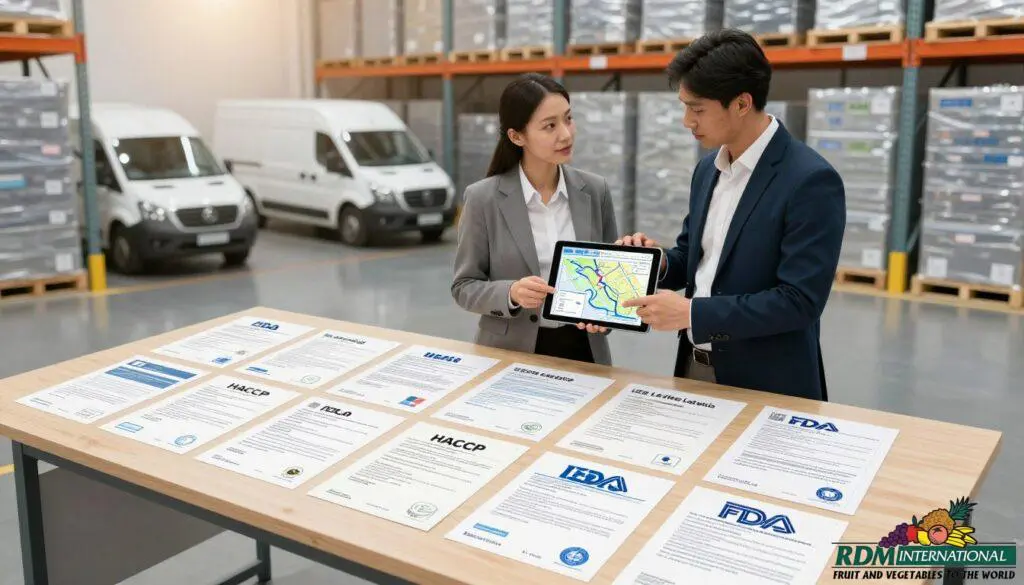
Navigating the SQF Certification Process
The Safe Quality Food (SQF) program is tough but ensures food safety. Navigating this process needs a focused team and a detailed audit. You must show every critical step to prove your facility meets these standards.
The Importance of BRC Standards in Global Trade
Following British Retail Consortium (BRC) standards is key to entering global markets. These food industry regulations make your logistics smoother and safer. Meeting BRC standards shows you operate at a high level.
Implementing HACCP Plans for Comprehensive Risk Mitigation
Hazard Analysis and Critical Control Points (HACCP) is crucial for safety. It helps you spot risks early in your B2B supply chain. This way, you protect your brand and stay in line with changing food industry regulations.
| Certification | Primary Focus | Key Benefit |
|---|---|---|
| SQF | Systematic Safety | Market Credibility |
| BRC | Global Trade | Operational Efficiency |
| HACCP | Risk Prevention | Hazard Mitigation |
Managing Cold Chain B2B Food Safety Through Rigorous Protocols
Keeping food safe in the cold chain is a big job. At RDM International, we think true safety comes from careful planning. By following strict rules, you can keep your products safe and your reputation strong.
Standardizing Processing Safety Across Facilities
Being consistent is key to lowering risks. By setting the same safety rules in all places, you cut down on mistakes. This way, every spot works at the top level.
Having the same rules everywhere means quality stays the same. Here are the main perks of a unified approach:
- Uniformity: Everyone does things the same way.
- Efficiency: Faster processes mean less downtime and waste.
- Reliability: Your partners get the same quality every time.
Training Your Team for Consistent Compliance
Your team is the first line of defense for safety. To keep food safe, everyone needs to know their part. We focus on training to keep them up-to-date on food industry regulations.
When your team knows their stuff, they follow rules without doubt. Empowerment through education builds a lasting safety culture.
Documenting Every Step of the Cold Chain Journey
Keeping records is crucial for openness. With changing food laws, having proof of every step is vital for audits.
Every shipment should have a detailed story told through data. Keeping accurate records gives your partners peace of mind. This ensures you’re ready to show your quality commitment at any time.
Overcoming Challenges in Perishable Goods Transportation
Keeping your products safe during transit is key to effective food logistics management. While the journey is often smooth, unexpected issues can arise at any time.
Handling perishable goods transportation needs a proactive approach. Spotting potential problems early helps build a strong supply chain. This protects your business and reputation.
Mitigating Risks During Loading and Unloading
The most critical moments for your products happen when the trailer doors are open. If not managed carefully, the internal temperature can rise quickly.
Speed and efficiency are crucial to avoid exposure to warm air. Using dock seals and strip curtains helps keep cold air inside.
Selecting the Right Logistics Partners for Your Business
Your logistics partner reflects your commitment to quality. You need someone who knows food logistics management well and has a modern fleet.
Look for partners with clear tracking and a strong industry record. A reliable partner acts like an extension of your team, ensuring your standards are met.
Strategies for Handling Unexpected Equipment Failures
Even with regular maintenance, refrigeration units can fail. These failures can lead to temperature spikes, risking your product’s safety.
A contingency plan is vital for managing these crises. Your plan should include alerts and backup storage to keep goods safe until the issue is fixed.
| Risk Factor | Primary Strategy | Impact Level |
|---|---|---|
| Loading Spikes | Use Dock Seals | High |
| Equipment Failure | Real-time Monitoring | Critical |
| Transit Delays | Route Optimization | Medium |
| Human Error | Standardized Training | High |
By using these strategies, you can handle perishable goods transportation challenges confidently. Being prepared lets you focus on growth, knowing your products are safe.
Leveraging Technology for Real-Time Cold Storage Management
Digital transformation is key to success in the food industry. Advanced digital tools help keep products safe and quality from start to finish. Modern cold chain management uses these tools to cut waste and boost efficiency.
Automated Alerts and Data Logging Solutions
Manual checks are not enough for critical logistics. Automated data logging systems keep a constant record of your environment. They ensure your temperature control systems stay safe at all times.
If there’s a problem, the system alerts your team right away. This proactive method helps solve issues before they harm your inventory. Automated precision reduces the risk of human mistakes. It’s crucial for strict cold storage management compliance.
Integrating IoT Devices for Enhanced Visibility
Adding IoT devices gives you a full view of your supply chain. These sensors track conditions in real-time, offering enhanced visibility at every stage. You can check on your assets from anywhere, ensuring your temperature control systems work perfectly.
This connection links your warehouse to logistics partners. Live data lets you make fast, informed decisions. It changes cold chain management by giving clients the transparency they want.
Analyzing Cold Chain Data to Improve Future Operations
Collecting data is just the start to better operations. Analyzing past trends helps spot patterns that affect cold storage management. This insight lets you improve your processes and avoid future problems.
Using these analytics, you can fine-tune your logistics and save money in the long run. Continuous improvement comes from turning data into useful information. Adopting these technologies keeps your business at the forefront of food safety and reliability.
Building Trust Through Quality Assurance and Compliance
Transparency is key in the food supply chain. By focusing on food quality assurance, you show your partners their products are safe. This builds trust and makes your business stand out.

Communicating Safety Standards to Your B2B Partners
It’s important to share your safety plans with clients. Give them clear, easy-to-understand documents about your food safety solutions. This lets them trust you to keep their products safe.
- Provide regular updates on facility safety metrics.
- Share digital copies of your current certifications.
- Host site visits to showcase your cold storage management practices.
Handling Audits with Confidence and Transparency
Audits are chances to show your excellence, not stress. Keep detailed records to prove every step of the supply chain is clear and checked. This shows you’re ready and professional.
| Audit Category | Preparation Focus | Expected Outcome |
|---|---|---|
| Documentation | Real-time logging | Zero discrepancies |
| Facility | Sanitation checks | Compliance validation |
| Personnel | Training records | Standardized safety |
Continuous Improvement Strategies for Long-Term Success
The food logistics world is always changing. A culture of growth is crucial. Always check your cold storage management for ways to get better. Use new tech and feedback to stay ahead in food safety solutions.
Success comes from daily actions. Keep your team trained in food quality assurance. This keeps standards high and builds your reputation as a trusted leader.
Conclusion
Building a strong supply chain needs modern tech, strict rules, and careful details. You now have the tools to make your logistics better than others.
RDM International shows that safety is key for your business. Using the right temperature control and global standards helps keep your goods safe. This prevents spoilage and costly recalls.
Your dedication to these methods helps your business grow over time. It also builds trust with your partners. Keeping quality high is the best way to keep your good name in the market.
Use these tips every day to improve your cold chain. Talk to your team today to start making these changes. This will lead to a safer and more efficient future.
FAQ
How does RDM International maintain excellence in managing cold chain B2B food safety?
A: RDM International leads the way by adding strict safety steps to every part of the process. We see cold chain management as keeping products safe from start to finish. This focus on food safety solutions helps you avoid big losses from spoiled products in the b2b supply chain.
Why is a strict -10°F environment necessary for temperature control systems?
Keeping a -10°F (-23°C) storage area is key for keeping frozen foods safe and fresh. Advanced temperature control systems stop temperature changes that can happen during transport. This careful control is crucial for keeping your perishable goods transportation safe, using special refrigeration for consistent temperatures.
What role does blanching play in your food quality assurance strategy?
A: RDM International uses blanching to stop enzymes before products go into the cold chain. This is a key food safety solution that helps fruits and veggies last longer. By following exact blanching steps, we keep your products at the highest food quality assurance level.
How do food industry regulations like SQF and HACCP protect my B2B supply chain?
Following food industry regulations like SQF, BRC, and HACCP is crucial. These rules help you manage risks and meet international standards. By sticking to these standards, you boost your credibility and cold storage management reliability.
How can I ensure consistent compliance across my food logistics management operations?
To keep cold chain b2b food safety top-notch, follow strict safety rules. Train your team to always follow these rules. Keeping detailed records is also key for being ready for audits and staying up-to-date with food industry regulations.
What are the best strategies for handling risks during perishable goods transportation?
A: Perishable goods transportation faces big risks during loading and unloading. Choose reliable logistics partners who focus on food logistics management and can handle emergencies. Having plans for unexpected problems keeps your supply chain strong and your products safe.
How does digital transformation improve modern cold storage management?
Today’s cold storage management uses IoT devices and automated data logging. These tools give you real-time info on your temperature control systems. This lets you act fast if there’s a problem. Analyzing this data helps you improve your cold chain management over time.
How can I build trust with my partners through food quality assurance?
Trust in the B2B world comes from being open about food quality assurance and following rules. Share your safety standards with partners to make them confident in your food safety solutions. Being ready for audits comes naturally when you keep detailed records and focus on getting better in your b2b supply chain.